I am currently studying the Reformation in my seminary studies, and the other day I read this quote from Martin Luther:
"I ask that men make no reference to my name; let them call themselves Christians, not Lutherans. What is Luther? After all the teaching is not mine [John 7: 16]. Neither was I crucified for anyone [1 Corinthians 1: 13]. St Paul, in 1 Corinthians 3, would not allow the Christians to call themselves Pauline or Petrine, but Christian. How then should I – poor stinking maggot-fodder that I am – come to have men call the children of Christ by my wretched name? Not so, my dear friends; let us abolish all party names and call ourselves Christians, after him whose teaching we hold." (LW 45: 70–1)
Amen to that Dr. Luther.
Showing posts with label Books. Show all posts
Showing posts with label Books. Show all posts
Monday, March 19, 2012


Wednesday, August 03, 2011
Saving Trees

I just bought my textbooks for my next semester of seminary. For the first time ever I won't have to pay expensive shipping costs to get my school books to me in Hungary because I bought all of them in Kindle format.
Besides saving on the shipping costs, all the books also cost less in Kindle format.
I was a bit concerned about using e-books for school, but after using one of my Kindle books as a reference last year, I realized that it is actually much better than having a paper book. Besides not having to carry huge texts books with you in order to study outside of your house, you can easily do word searches and highlight, and if you want to reference something, you can simply copy it and Kindle automatically gives you all the reference information for your footnotes.
I have had my Android Tablet for 3 weeks now and absolutely love it. I preach from it at church, I read on it, takes notes on it, blog from it, etc.
I'm excited about going paper free - saving some trees, not having to store a bunch of books and handwritten or typed notes all over my house...
Here are my favorite apps for my tablet:
- Kindle reader
- Documents to Go (the full version is well worth the money - it is the one app I have paid for)
- Dropbox
- Evernote
- Pulse
Monday, August 01, 2011
American Christianity
I got an invitation to teach a class this fall on church history at a school of missions in Ukraine, so I have been reading the book "From Jerusalem to Irian Jaya" by Ruth Tucker as part of my preparation.
Today I came across a quote I found very interesting. It was written in 1926 by a Japanese Christian leader named Kanzo Uchimura. One of his main goals was to establish a truly Japanese church and Christian movement rather than have a Christianity that was viewed as a western import.
Here's his critique of American Christianity:
I like Uchimura's focus on establishing a truly indigenous Christian movement in his country - I believe that should be the goal of all mission work.
I think there is something to what he says about American Christianity, although I don't fully agree with his critique.
On one hand, what he says about how Americans tend to measure success in ministry similar to how they measure success in commerce is often true, and definitely deserves consideration.
On the other hand, Kanzo Uchimura himself came to faith in Christ through the efforts of American missionaries in Japan, and I think the focus he mentions of American Christians to make as many converts to Christianity as possible is a noble, and Biblical thing.
As one who is American but has lived outside of the US for many years now, I have gained a bit of perspective on American culture and mentality by being able to observe it from the outside. Despite all the critiques that could be (and are often) made, there are some very positive things that I see. For example: American people are generally very generous, and are quite willing to give of what they have to help people in need or to support causes that they believe in. That is a praiseworthy thing. Also, Americans tend to have an entrepreneurial spirit - which amongst believers can create a culture of being willing to step out in faith and attempt great things for God. The parting words of William Smith Clark, the American missionary who trained the local evangelists who led Kanzo Uchimura to the Lord were: "Boys, be ambitious!" I believe that culture of being willing to step out in faith and follow the Lord wherever he leads is something which is not American, but very much Biblical, and something which Jesus taught and demonstrated in his life and ministry.
What do you think?
Today I came across a quote I found very interesting. It was written in 1926 by a Japanese Christian leader named Kanzo Uchimura. One of his main goals was to establish a truly Japanese church and Christian movement rather than have a Christianity that was viewed as a western import.
Here's his critique of American Christianity:
Americans must count religion in order to see or show its value…. To them big churches are successful churches…. To win the greatest number of converts with the least expense is their constant endeavour. Statistics is their way of showing success or failure in their religion as in their commerce and politics. Numbers, numbers, oh, how they value numbers! … Mankind goes down to America to learn how to live the earthly life; but to live the heavenly life, they go to some other people. It is no special fault of Americans to be this-worldly; it is their national characteristic;
Kanzo Uchimura, “Can Americans Teach Japanese in Religion?” Japan Christian Intelligencer 1 (1926): 357–61, cited in Walls, “The American Dimension,” 2., found in Tucker, Ruth A. (2010). From Jerusalem to Irian Jaya: A Biographical History of Christian Missions . Zondervan. Kindle Edition.I like Uchimura's focus on establishing a truly indigenous Christian movement in his country - I believe that should be the goal of all mission work.
I think there is something to what he says about American Christianity, although I don't fully agree with his critique.
On one hand, what he says about how Americans tend to measure success in ministry similar to how they measure success in commerce is often true, and definitely deserves consideration.
On the other hand, Kanzo Uchimura himself came to faith in Christ through the efforts of American missionaries in Japan, and I think the focus he mentions of American Christians to make as many converts to Christianity as possible is a noble, and Biblical thing.
As one who is American but has lived outside of the US for many years now, I have gained a bit of perspective on American culture and mentality by being able to observe it from the outside. Despite all the critiques that could be (and are often) made, there are some very positive things that I see. For example: American people are generally very generous, and are quite willing to give of what they have to help people in need or to support causes that they believe in. That is a praiseworthy thing. Also, Americans tend to have an entrepreneurial spirit - which amongst believers can create a culture of being willing to step out in faith and attempt great things for God. The parting words of William Smith Clark, the American missionary who trained the local evangelists who led Kanzo Uchimura to the Lord were: "Boys, be ambitious!" I believe that culture of being willing to step out in faith and follow the Lord wherever he leads is something which is not American, but very much Biblical, and something which Jesus taught and demonstrated in his life and ministry.
What do you think?
Tuesday, June 28, 2011
Quote for the Day - Social Justice
This week I am writing my final paper for my class on the Old Testament prophets on the subject of the contribution of the book of Jeremiah to the issues of social justice.
Studying the Old Testament prophets is something I have really enjoyed and been challenged by, and in general the message of the Bible regarding issues of social justice is something that has interested me for some time now.
Perhaps the most challenging thing in regard to social justice is figuring out how concern and care for the most vulnerable members of society works out practically in your given life and situation - but like many other things, I think that it has to begin with getting the right attitude and perspective, because once you have the right heart, situations will find you and God will bring them to you.
So, here is the quote for today:
Studying the Old Testament prophets is something I have really enjoyed and been challenged by, and in general the message of the Bible regarding issues of social justice is something that has interested me for some time now.
Perhaps the most challenging thing in regard to social justice is figuring out how concern and care for the most vulnerable members of society works out practically in your given life and situation - but like many other things, I think that it has to begin with getting the right attitude and perspective, because once you have the right heart, situations will find you and God will bring them to you.
So, here is the quote for today:
Proverbs 14:31 says, “He who oppresses the poor shows contempt for their Maker.” The God of the Bible says, as it were, “I am the poor on your step. Your attitude toward them reveals what your true attitude is toward me.” A life poured out in doing justice for the poor is the inevitable sign of any real, true gospel faith.
Keller, Timothy (2010). Generous Justice: How God's Grace Makes Us Just (loc. 2113). DUTTON ADULT. Kindle Edition.
Monday, June 27, 2011
Quote for the Day
This week I need to finish two final assignments to finish my semester in seminary.
I really love studying theology, and the way the courses help me to dig deep in the scriptures and get beyond the surface meaning to get a broader perspective on what God is communicating through the scriptures.
One of the papers I am writing is about the contribution of the book of Jeremiah to the issues of social justice - something I have really been blessed and challenged by as I have studied it, and the other is on the theology of the book of Proverbs.
Here's a quote for today about the book of Proverbs:
I really love studying theology, and the way the courses help me to dig deep in the scriptures and get beyond the surface meaning to get a broader perspective on what God is communicating through the scriptures.
One of the papers I am writing is about the contribution of the book of Jeremiah to the issues of social justice - something I have really been blessed and challenged by as I have studied it, and the other is on the theology of the book of Proverbs.
Here's a quote for today about the book of Proverbs:
Specifically religious language is seldom used in Proverbs - although it is present, it does not predominate. Not everything in life has to be strictly religious to be godly. Proverbs can serve as a corrective to the extremist tendency to spiritualize everything, as if there were something wrong with the basic material, physical world; as if God had said, “it is bad” rather than “it is good” when he first look on what he had made.
Fee & Stewart, How to Read the Bible for All its Worth, p.217
Fee & Stewart, How to Read the Bible for All its Worth, p.217
Sunday, April 03, 2011
I Heart Revolution

Last Thursday, together with some other churches in town, we promoted a showing of Hillsong United's documentary film, "I-Heart Revolution".
To summarize the film, it breaks down into 3 parts:
- Injustice, poverty and human suffering that is rampant in our world.
- The solution, the remedy is Jesus Christ.
- Because #2 is true, we as the body of Christ can and should do something about #1.
The film is essentially their message which they seek to communicate, which is that caring about individuals and showing them the love of Christ is something that is revolutionary, something which honors God and is an essential part to our calling as the body of Christ.
There were parts of the film, when they were talking about human suffering when I was on the verge of tears, and I could hear people around me in the theater crying. As a parent, the idea of children suffering is something that makes me very sad, and I know that for some people, the film would be too intense for them to handle. In fact, in the film, one of the things they mentioned is that we have a tendency to harden our hearts to the suffering around us, because if we would empathize with all the suffering in the world, it would simply be too much for us to handle; we would go mad - and in a way, this film was a small window into that feeling. In light of this, you realize how amazing it it that God does exactly that.
Here are some quotes from the film which sum up its essence:
- "You may choose to look the other way but you can never say again that you did not know" - William Wilberforce
- "Injustice and indifference go hand in hand"
- "The church is known for what we are against. The problem is that too often the things we are against are petty compared to the incredible suffering and injustice that takes place in the world. We have a tendency to make a big deal out of small things, and a small deal out of big things."
I you have the chance to see it - I would definitely recommend it. It certainly changed how I think about Hillsong, in a positive way. It is 2 hrs long, and some parts might be a bit self-indulgent - but it is definitely worth watching.
Have you seen the film? What did you think?
What does the LORD require of you but to do justice,
and to love kindness, and to walk humbly with your God?
(Micah 6:8 ESV)
and to love kindness, and to walk humbly with your God?
(Micah 6:8 ESV)
Wednesday, January 05, 2011
Old Friend / New Friend
There is a saying I always tell our church:
If your Bible is falling apart, then probably your life is not!
I guess that only applies to those people whose Bible is falling apart because they read it - not because they mistreat it, but I have really found this to be true, not only in my own life, but in the lives of others whom I have observed using Bibles with pages worn out from much use.
Not long ago I said goodbye to an old friend - and welcomed a new friend into my life.
In November 2002 I bought a Bible at the Tattered Cover bookstore in Denver for $14.95. I read and taught from that Bible for years. Two times I used superglue to reattach the binding; its pages have coffee stains, and were ripped and even eaten by both of my kids.

These are battle scars, and every good Bible should have some battle scars - they are signs of life, that that Bible is actually used and read. Bibles were not meant to sit nicely on shelves as pristine decorations.
When we were in the States, Rosemary bought me a new Bible to replace my old friend. This one is a big larger and has a real leather binding, which probably won't fall off as easily as the fake leather one I had before.

This one already has its first battle scar - an ink stain on the cover that I got while taking notes at a conference in Ukraine.
I plan to have this one for a while, and hopefully get a lot of mileage out of it.
Is your Bible falling apart? What battle scars does yours have?
If your Bible is falling apart, then probably your life is not!
I guess that only applies to those people whose Bible is falling apart because they read it - not because they mistreat it, but I have really found this to be true, not only in my own life, but in the lives of others whom I have observed using Bibles with pages worn out from much use.
Not long ago I said goodbye to an old friend - and welcomed a new friend into my life.
In November 2002 I bought a Bible at the Tattered Cover bookstore in Denver for $14.95. I read and taught from that Bible for years. Two times I used superglue to reattach the binding; its pages have coffee stains, and were ripped and even eaten by both of my kids.
These are battle scars, and every good Bible should have some battle scars - they are signs of life, that that Bible is actually used and read. Bibles were not meant to sit nicely on shelves as pristine decorations.
When we were in the States, Rosemary bought me a new Bible to replace my old friend. This one is a big larger and has a real leather binding, which probably won't fall off as easily as the fake leather one I had before.
This one already has its first battle scar - an ink stain on the cover that I got while taking notes at a conference in Ukraine.
I plan to have this one for a while, and hopefully get a lot of mileage out of it.
Is your Bible falling apart? What battle scars does yours have?
Tuesday, March 30, 2010
Reading on a Small Screen
 Last week I finished reading "The Prodigal God" by Timothy Keller.
I love Tim Keller's writing style, I love what he is doing in NYC, planting churches with young professionals. I think he is an example worth following.
"The Prodigal God" is based on the parable of the prodigal son, but in the book, Keller explains that the parable isn't primarily about the immoral son, but about his self-righteous older brother. Jesus spoke this parable to the Pharisees, and his point was that both the younger brother, the prodigal son, and the older brother, who stayed at home, and was very upset when the father forgave the prodigal son and received him back, were both sinners - they both were guilty of the same thing: not truly loving the father, but only wanting his wealth, the inheritance. But the older brother - the self-righteous one - was in a more dangerous situation than the younger brother, because he didn't recognize his sin. And the irony of the story, is that at the end of it, the "good" brother is outside of the father's house, whilst the "bad" brother is in the father's house, sharing in the feast, because he repented of his actions and sought out his father.
Essentially, in the book, Keller is pointing out the heart of man - that all men are sinful, even the "good" moral ones, as well as the heart of God - that he is loving and forgiving and receives those who humble themselves and seek him.
I really liked the book a lot; it was a quick read, but had a very powerful message.
This was also the first book I've read on my iPod.
I wanted to buy a copy of this book last time I was in the states, but didn't like the $20 price tag - but the other day I was looking at Amazon.com's Kindle program for iPhone/iPod and Windows, and noticed that the Kindle version of "The Prodigal God" was only $10, and no shipping, so I tried it out.
I actually didn't expect to like reading books on my iPod - I hate reading PDF books on my computer, but I found that I actually liked it. I ended up reading at times I wouldn't usually pull out an actually printed book, like when waiting in line at the post office, or before bed, and I ended up not minding the small screen at all. Kindle is set up really well, with lots of options, and it was nice to use.
So, since that went so well, I downloaded another Timothy Keller book - "Counterfeit Gods" on Kindle too, which I have also really been enjoying.
Tuesday, January 19, 2010
Today
- Baby 2.0 may be late... Rosemary is due tomorrow. We were hoping the baby would be early, as Rosemary's been having a rough time these last 4-5 weeks, but our little girl isn't in a hurry. Hopefully she will come out soon.
- My school books for next semester arrived today from England. Here's the one I'm really excited about reading:
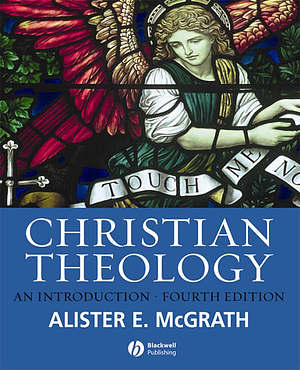 Plus, I am glad to have it on my bookshelf, as it is big and looks good :)
 - I was sitting at the table with Nate while he was eating dinner, and he is pointing out things he sees: "Ball, circle, colors, bird, octagon..." Huh?
I was impressed. I was like 15 when I learned what an octagon is - he's only 2!
Harvard, get ready. Nate Dogg is on his way.
Friday, November 06, 2009
Desiring God for Free
Until November 21, you can download a free audio copy of John Piper's Desiring God here.
I downloaded my copy a few days ago, and am really enjoying it.
I read Desiring God a few years ago when I was going through a dry time spiritually, and was greatly encouraged and uplifted by it. It's still one of my all-time favorite books. Enjoy!
I downloaded my copy a few days ago, and am really enjoying it.
I read Desiring God a few years ago when I was going through a dry time spiritually, and was greatly encouraged and uplifted by it. It's still one of my all-time favorite books. Enjoy!
Wednesday, September 16, 2009
Faith = Commodity?
This semester in my theology course, I have a class about Christianity and contemporary philosophy. The class hasn't started yet, but I got my text books already and have been reading ahead.
As I've been reading this book, one quote really caught my attention:
Talking about faith in a pluralistic, postmodern society, Peter Berger says this:
When I first read this, I initially found the idea of referring to faith and the Gospel as a consumer commodity as offensive and wrong, but the more I thought about it, the more I realized that not only is this the current situation in the world we live in, but it is not exactly a bad thing either.
The fact is, America is not a "Christian nation," and Europe has been "post-Christian" for some time. Those who still adamantly claim the opposite are like those who make themselves hoarse trying to convince others that Earth is flat.
But again - I don't think this is really a bad thing. The problem with "assumed" religion - meaning that you believe something, because you were born into it is not Biblical, and it can lead to a false sense of security that one believes the truth, is right with God and is going to heaven.
I think it is a good thing for a person to question and to seek truth, rather than say, "Well, my parents were Christians/Muslims/Buddhists/etc... so I believe it too."
The Bible would teach that every person needs to seek for themselves, and chose for themselves which path they will choose.
And that brings us to the consumer-commodity analogy for faith. If every person must choose for themselves what to believe, then the different religious organizations are trying to convince people that they should believe what they are offering. And to do this, we use different kinds of "marketing" tactics; we just don't refer to them in those terms.
In Eger, if you walk down the streets, you can meet with Christians from our church, Hare Krishnas, and Mormons - all trying to convince you to believe what they are teaching. And the person on the street has no obligation to receive any of it, if they choose not to. So we try to convince them that they need what we have - and we use 'marketing tactics' to do this: tracts, posters, lectures, preaching, etc...
But again - I don't think there's anything wrong with that - NOR do I think it is a modern phenomenon which is a result of market economies or postmodernism.
If you look in the Bible, at Paul the Apostle - he was doing the same thing: he lived in pluralistic society, where different cultures and religions lived side by side, and he worked hard to convince those people to follow Jesus by telling them why they needed what he was "selling".
Paul wrote: We are ambassadors for Christ, God making his appeal through us. We implore you on behalf of Christ, be reconciled to God. (2.Cor 5:17) He was giving a "sales pitch" to convince people who had no obligation to "buy" what he was "selling" that they needed what he had.
So, in my opinion, getting back to the point as a society where faith is not assumed is a good thing. It requires people to seek the truth for themselves, rather than just accept the beliefs of their ancestors - which is a much more Biblical thing.
In Deuteronomy, when Moses speaks to the new generation - the generation who were born in the wilderness, the generation who were the children of the people who entered into the covenant with God at Mt. Sinai - Moses refers to God as "Your God" over and over. He does this because he wants them to understand that while Yahweh is the God of their fathers - he must be their God personally. They must make the choice to walk with Him for themselves. And in Deuteronomy 30, Moses places a decision before this new generation - that they must choose for themselves whether or not to follow the Lord. It is not enough that their fathers chose to follow him - they must also make that decision for themselves.
I don't consider faith a commodity, but I think that we should use tactics and strategies to get our message to people and help them understand why they desperately need what God is offering them: Salvation, forgiveness, restoration and eternal life - through faith in Jesus.
As I've been reading this book, one quote really caught my attention:
Talking about faith in a pluralistic, postmodern society, Peter Berger says this:
'the religious tradition, which previously could be authoritatively imposed, now has to be marketed. It must be "sold" to a clientele that is no longer constrained to "buy." The pluralistic situation is above all, a market situation. In it, the religious institutions become marketing agencies and the religious traditions become consumer commodities.'
When I first read this, I initially found the idea of referring to faith and the Gospel as a consumer commodity as offensive and wrong, but the more I thought about it, the more I realized that not only is this the current situation in the world we live in, but it is not exactly a bad thing either.
The fact is, America is not a "Christian nation," and Europe has been "post-Christian" for some time. Those who still adamantly claim the opposite are like those who make themselves hoarse trying to convince others that Earth is flat.
But again - I don't think this is really a bad thing. The problem with "assumed" religion - meaning that you believe something, because you were born into it is not Biblical, and it can lead to a false sense of security that one believes the truth, is right with God and is going to heaven.
I think it is a good thing for a person to question and to seek truth, rather than say, "Well, my parents were Christians/Muslims/Buddhists/etc... so I believe it too."
The Bible would teach that every person needs to seek for themselves, and chose for themselves which path they will choose.
And that brings us to the consumer-commodity analogy for faith. If every person must choose for themselves what to believe, then the different religious organizations are trying to convince people that they should believe what they are offering. And to do this, we use different kinds of "marketing" tactics; we just don't refer to them in those terms.
In Eger, if you walk down the streets, you can meet with Christians from our church, Hare Krishnas, and Mormons - all trying to convince you to believe what they are teaching. And the person on the street has no obligation to receive any of it, if they choose not to. So we try to convince them that they need what we have - and we use 'marketing tactics' to do this: tracts, posters, lectures, preaching, etc...
But again - I don't think there's anything wrong with that - NOR do I think it is a modern phenomenon which is a result of market economies or postmodernism.
If you look in the Bible, at Paul the Apostle - he was doing the same thing: he lived in pluralistic society, where different cultures and religions lived side by side, and he worked hard to convince those people to follow Jesus by telling them why they needed what he was "selling".
Paul wrote: We are ambassadors for Christ, God making his appeal through us. We implore you on behalf of Christ, be reconciled to God. (2.Cor 5:17) He was giving a "sales pitch" to convince people who had no obligation to "buy" what he was "selling" that they needed what he had.
So, in my opinion, getting back to the point as a society where faith is not assumed is a good thing. It requires people to seek the truth for themselves, rather than just accept the beliefs of their ancestors - which is a much more Biblical thing.
In Deuteronomy, when Moses speaks to the new generation - the generation who were born in the wilderness, the generation who were the children of the people who entered into the covenant with God at Mt. Sinai - Moses refers to God as "Your God" over and over. He does this because he wants them to understand that while Yahweh is the God of their fathers - he must be their God personally. They must make the choice to walk with Him for themselves. And in Deuteronomy 30, Moses places a decision before this new generation - that they must choose for themselves whether or not to follow the Lord. It is not enough that their fathers chose to follow him - they must also make that decision for themselves.
See, I have set before you today life and good, death and evil. If you obey the commandments of the Lord your God that I command you today, by loving the Lord your God, by walking in his ways, and by keeping his commandments and his statutes and his rules, then you shall live...
I call heaven and earth to witness against you today, that I have set before you life and death, blessing and curse. Therefore choose life, that you and your offspring may live, loving the Lord your God, obeying his voice and holding fast to him, for he is your life and length of days
Deuteronomy 30:15-20
This is essentially Moses' "sales pitch," in which he tries to convince the new generation to follow the Lord by telling them why it will be good for them.I call heaven and earth to witness against you today, that I have set before you life and death, blessing and curse. Therefore choose life, that you and your offspring may live, loving the Lord your God, obeying his voice and holding fast to him, for he is your life and length of days
Deuteronomy 30:15-20
I don't consider faith a commodity, but I think that we should use tactics and strategies to get our message to people and help them understand why they desperately need what God is offering them: Salvation, forgiveness, restoration and eternal life - through faith in Jesus.
Monday, July 20, 2009
First Semester Finished
I've finished my first semester of school, and I'm really enjoying it.
In light of this past semester, here are a few of my reflections on studying theology:
In light of this past semester, here are a few of my reflections on studying theology:
- I would recommend it for anyone who has the means to do it.
- I think you can be properly equipped to be a pastor or Christian leader without formal theological education, but I think it is a good for 'rounding out' one's theology and method of studying the Bible.
- I enjoyed spending a lot of time in the Word, and I feel that it gave me a better overall grasp of the big picture of the areas I studied this semester (The Gospels and the Pentateuch).
- I haven't really encountered anything super new, but it has been good to be exposed to views different from my own. I think that is really important for everyone who really believes something.
If we just read books and listen to people who believe exactly what we do, and say only things which we agree with our particular tradition, that does not strengthen our faith, it does not make us question and rethink our positions. Its just like, "Oh, hey, this guy agrees with me too!", and that doesn't help us develope discernment, which is so important for Christians these days, with all the aberant teaching that goes around.
After all - our goal is not to hold to or affirm one position or another, it is to seek God and to seek truth. And if our positions are correct, then they will be affirmed through this process anyway, and if they are not correct, then its better to be disillusioned than to believe something unbiblical!
A good case in point is Thomas Schreiner, a prominent theologian, author and pastor, who recently changed his long-held view of amillenialism to premillenialism, because he was convinced by the text to do so. That's a great example of someone committed to the truth and not to defending his particular tradition. Here's an article about it.
- Google Books
I found so many usefull resources here for writing papers - mostly excerpts from books. This was really helpful since I don't have access here to an English library with theology books. - Online Synopsis
- The New Testament Gateway
- Bible Dictionaries
I love Bible dictionaries, and my favorite is the New Bible Dictionary. I use this all the time. - ESV Study Bible
This was Rosemary's gift to me for Christmas, and I LOVE it. I use it a lot for devotional reading, preparing for sermons, and as a reference. It is full of good articles, charts and maps. With purchase of it, you also get access to the ESV Study Bible Online, which has everything the paper version has, and gives the opportunity to writes notes on the column and highlight in different colors, which are all be saved and can be accessed online from anywhere. Its a great tool.
Friday, June 12, 2009
Quote
This quote from the text book for my theology course caught my eye, as it addresses two things which are on my heart in regard to the church.
On the significance of the genealogy of Jesus which begins Matthew's Gospel, Exploring the New Testament, by Wenham and Walton says this:
"The Christian belief in the incarnation is significant at this point, since the idea of God becoming human in a particular historical context (first-century Palestine), though it seems very strange to some people, speaks of a God who does not communicate in abstractions, but who comes to us where we are and speaks in 'our language'. It is therefore not just a practical necessity that our teaching should be related to where people are today, but a theological imperative."
"The passage is equally relevant to an age that tends to be very individualistic and that emphasizes personal salvation and fulfillment: the Bible affirms the individual, but sees God as bringing us together as his people"
Figyelmeztetés! Nem volt könnyű lefordítani ezt a szöveget, úgyhogy, valószínű (a kedvenc színem, amúgy :)), hogy nem tökéletes az alábbi fordítás - de azért remélem, hogy legalább érthető lesz!
Ez az idézet a teológiai tanulmányom tankönyvéből nagyon megragadott, mert két olyan dologról szól ami a szívemen van a gyakorlati kereszténységgel kapcsolatban.
Arról, hogy miért jelentős a nemzedékrend amivel kezdődik Máté evangéliuma, az Exploring the New Testament Wenham és Waltontől így szól:
"Itt a keresztény hit az Isten megtestülésében jelentős, mivel az a gondolat, hogy Isten emberré lett egy bizonyos történelmi kontextusban (első-századi Palesztina), bár furcsának tűnik némely embernek, egy olyan Istenről szól aki nem elvontságokban kommunikál, hanem aki hozzánk közelít és beszél a 'mi nyelvünkön'. Így tehát nem csak egy gyakorlati szükséglet, hogy a mi tanításunk összekapcsolodjon azzal ahol a mai emberek tartanak, hanem egy teológiai felszólítás."
"Egyaránt, ez az igerész lényeges egy olyan időben ami nagyon egyén-központú (?) tud lenni sokszor, és hangsúlyt helyez az személyes üdvözségre és beteljesülésre. A Biblia megerősíti az egyént, de úgy mutatja Istent, hogy összeszed bennünket, mint az Ő népe."
On the significance of the genealogy of Jesus which begins Matthew's Gospel, Exploring the New Testament, by Wenham and Walton says this:
"The Christian belief in the incarnation is significant at this point, since the idea of God becoming human in a particular historical context (first-century Palestine), though it seems very strange to some people, speaks of a God who does not communicate in abstractions, but who comes to us where we are and speaks in 'our language'. It is therefore not just a practical necessity that our teaching should be related to where people are today, but a theological imperative."
"The passage is equally relevant to an age that tends to be very individualistic and that emphasizes personal salvation and fulfillment: the Bible affirms the individual, but sees God as bringing us together as his people"
Figyelmeztetés! Nem volt könnyű lefordítani ezt a szöveget, úgyhogy, valószínű (a kedvenc színem, amúgy :)), hogy nem tökéletes az alábbi fordítás - de azért remélem, hogy legalább érthető lesz!
Ez az idézet a teológiai tanulmányom tankönyvéből nagyon megragadott, mert két olyan dologról szól ami a szívemen van a gyakorlati kereszténységgel kapcsolatban.
Arról, hogy miért jelentős a nemzedékrend amivel kezdődik Máté evangéliuma, az Exploring the New Testament Wenham és Waltontől így szól:
"Itt a keresztény hit az Isten megtestülésében jelentős, mivel az a gondolat, hogy Isten emberré lett egy bizonyos történelmi kontextusban (első-századi Palesztina), bár furcsának tűnik némely embernek, egy olyan Istenről szól aki nem elvontságokban kommunikál, hanem aki hozzánk közelít és beszél a 'mi nyelvünkön'. Így tehát nem csak egy gyakorlati szükséglet, hogy a mi tanításunk összekapcsolodjon azzal ahol a mai emberek tartanak, hanem egy teológiai felszólítás."
"Egyaránt, ez az igerész lényeges egy olyan időben ami nagyon egyén-központú (?) tud lenni sokszor, és hangsúlyt helyez az személyes üdvözségre és beteljesülésre. A Biblia megerősíti az egyént, de úgy mutatja Istent, hogy összeszed bennünket, mint az Ő népe."
Saturday, March 14, 2009
Be a Man!
As part of my theology course I've had to study a bit of the New Testament apocrypha - i.e. books which are written in the style of the New Testament books, but which are not considered canonical, or inspired by God.
Most, if not all, of these books were written long after the canonical New Testament books, and were usually written by certain pseudo-Christian groups in order to promote or validate their aberrant theology.
Here's a quote from a scholar:
People may still be heard to say: 'After all, these Apocryphal Gospels and Acts, as you call them, are just as interesting as the old ones. It is only caprice that they were not put into the New Testament'. The best answer to such loose talk has always been, and is now, to produce the writings and let them tell their own story. It will very quickly be seen that there is no question of any one's having excluded them from the New Testament: they have done that for themselves.
Most, if not all, of these books were written long after the canonical New Testament books, and were usually written by certain pseudo-Christian groups in order to promote or validate their aberrant theology.
Here's a quote from a scholar:
People may still be heard to say: 'After all, these Apocryphal Gospels and Acts, as you call them, are just as interesting as the old ones. It is only caprice that they were not put into the New Testament'. The best answer to such loose talk has always been, and is now, to produce the writings and let them tell their own story. It will very quickly be seen that there is no question of any one's having excluded them from the New Testament: they have done that for themselves.
(M.R. James, The Apocryphal New Testament)
I think that guy's right, and I'll give you a few examples.
Probably the most popular of the NT apocrypha is the Gospel of Thomas. It was found in a 4th century library in Egypt in 1945. It contains stories and sayings of Jesus, some which are found in the NT, and some which are quite different from the teachings of the NT. Its also well known, because it was quoted in the very B movie Stigmata.
Here's an example: saying 114 says this - 'Simon Peter said to them "Let Mariam go out from among us, for women are not worthy of the life." Jesus said: "Look, I will lead her that I may make her male, in order that she too maybe become a living spirit resembling you males. For every woman who makes herself male will enter the kingdom of heaven."
I think that's wild! According to this Gospel, you are saved by grace through faith...that is, unless you are a woman! In which case, you must first become a man. Very nice...
Another example, which would be too long to write out, but here's a link for it, is the Infancy Gospel of Thomas, which claims to tell the story of Jesus' childhood, which is so obviously missing from the canonical accounts.
The story starts with Jesus at 5 years old playing at a brook, and he makes the waters of the brook gather together and form pools. Then, a kid comes along - the son of a scribe - and takes a stick and ruins the pools Jesus made. So what does Jesus do? HE KILLS HIM!
And then Jesus goes home. A little later Jesus is going through the village, and a child runs into him and dashes against his shoulder. So what does Jesus do? HE KILLS HIM TOO!
Then Joseph hears that Jesus has been killing the other children in town, so he grabs him by the ear and "wrung it sore." Then Jesus rebukes Joseph for doing this. Well, at least he didn't kill him.
Anyways, the above quote has a really good point. If you read these apocryphal Gospels, it becomes pretty obvious really quickly that they disqualify themselves from being included in the canon by their aberrant stories and theology.
Personally, I believe in an all-powerful, all-knowing God, who is able to preserve His Word and keep it pure throughout the generations, protecting it from all kinds of crazy stuff like this.
I think that guy's right, and I'll give you a few examples.
Probably the most popular of the NT apocrypha is the Gospel of Thomas. It was found in a 4th century library in Egypt in 1945. It contains stories and sayings of Jesus, some which are found in the NT, and some which are quite different from the teachings of the NT. Its also well known, because it was quoted in the very B movie Stigmata.
Here's an example: saying 114 says this - 'Simon Peter said to them "Let Mariam go out from among us, for women are not worthy of the life." Jesus said: "Look, I will lead her that I may make her male, in order that she too maybe become a living spirit resembling you males. For every woman who makes herself male will enter the kingdom of heaven."
I think that's wild! According to this Gospel, you are saved by grace through faith...that is, unless you are a woman! In which case, you must first become a man. Very nice...
Another example, which would be too long to write out, but here's a link for it, is the Infancy Gospel of Thomas, which claims to tell the story of Jesus' childhood, which is so obviously missing from the canonical accounts.
The story starts with Jesus at 5 years old playing at a brook, and he makes the waters of the brook gather together and form pools. Then, a kid comes along - the son of a scribe - and takes a stick and ruins the pools Jesus made. So what does Jesus do? HE KILLS HIM!
And then Jesus goes home. A little later Jesus is going through the village, and a child runs into him and dashes against his shoulder. So what does Jesus do? HE KILLS HIM TOO!
Then Joseph hears that Jesus has been killing the other children in town, so he grabs him by the ear and "wrung it sore." Then Jesus rebukes Joseph for doing this. Well, at least he didn't kill him.
Anyways, the above quote has a really good point. If you read these apocryphal Gospels, it becomes pretty obvious really quickly that they disqualify themselves from being included in the canon by their aberrant stories and theology.
Friday, March 06, 2009
Garden of Eden?
According to this article, archaeologists have found a site in eastern Turkey which they claim to be the most important discovery in the last 50 years.
Based on its location, and carbon dating saying that the site is about 10,000 yrs old - as opposed to Stonehenge at 3000 yrs and the Giza pyramids at 2500 yrs old - some archaeologists are suggesting that this is the location of the Garden of Eden.
The idea is intriguing, considering that it would match up roughly with the dating and location described in Genesis, but for some reason I'm not totally convinced yet.
What do you think - is this the location of the Garden of Eden?
http://www.dailymail.co.uk/sciencetech/article-1157784/Do-mysterious-stones-mark-site-Garden-Eden.html
E-szerint a cikk szerint, régészek megtaláltak egy olyan helyet kelet Törökországban, amelyet egyesek a legfontosabb régészeti felfedezésnek tartják az utóbbi 50 évben.
A hely elhelyezkedése alapján, hozzáadva azt, hogy a szén dátumozás szerint az ott talált tágyak kb 10 ezer évesek - összehasonlítva a 3000 éves Stonehenge-dzsel és a 2500 éves gizai piramisokkal - egyes régészek azt állítják, hogy ez az Éden kertjének a területe.
Szerintem nagyon érdekes ez a feltevés, mivel hogy nagyából egyezik azzal a dátumozással és elhelyezkedéssel amit az 1.Mózes könyvében olvasuk, viszont valamiért még nem vagyok teljesen meggyőzödve róla.
Mit szóltok hozzá - ez az Éden kertje területe lehet?
Based on its location, and carbon dating saying that the site is about 10,000 yrs old - as opposed to Stonehenge at 3000 yrs and the Giza pyramids at 2500 yrs old - some archaeologists are suggesting that this is the location of the Garden of Eden.
The idea is intriguing, considering that it would match up roughly with the dating and location described in Genesis, but for some reason I'm not totally convinced yet.
What do you think - is this the location of the Garden of Eden?
http://www.dailymail.co.uk/sciencetech/article-1157784/Do-mysterious-stones-mark-site-Garden-Eden.html
E-szerint a cikk szerint, régészek megtaláltak egy olyan helyet kelet Törökországban, amelyet egyesek a legfontosabb régészeti felfedezésnek tartják az utóbbi 50 évben.
A hely elhelyezkedése alapján, hozzáadva azt, hogy a szén dátumozás szerint az ott talált tágyak kb 10 ezer évesek - összehasonlítva a 3000 éves Stonehenge-dzsel és a 2500 éves gizai piramisokkal - egyes régészek azt állítják, hogy ez az Éden kertjének a területe.
Szerintem nagyon érdekes ez a feltevés, mivel hogy nagyából egyezik azzal a dátumozással és elhelyezkedéssel amit az 1.Mózes könyvében olvasuk, viszont valamiért még nem vagyok teljesen meggyőzödve róla.
Mit szóltok hozzá - ez az Éden kertje területe lehet?
Friday, February 27, 2009
Nonconformist
I found this quote today:
Whoso would be a man must be a nonconformist.
- Ralph Waldo Emerson
I like that. I think that being a nonconformist is also an important part of being a true follower of Jesus.
I'm sure there are some situations where following Jesus is the popular thing to do, but probably those situations are the exception, not the rule.
On Wednesday night at church we finished our study through the book of Hebrews, and read this in the last chapter:
Therefore let us go to him outside the camp and bear the reproach he endured. (Hebrews 13:13)
Sometimes being a follower of Jesus means being willing to be "different," to be nonconformist, even to bear reproach for Him.
Romans 12:2 says - "Do not be conformed to this world, but be transformed by the renewal of your mind..."
"Whoso would be a man must be a nonconformist."
Whoso would be a man must be a nonconformist.
- Ralph Waldo Emerson
I like that. I think that being a nonconformist is also an important part of being a true follower of Jesus.
I'm sure there are some situations where following Jesus is the popular thing to do, but probably those situations are the exception, not the rule.
On Wednesday night at church we finished our study through the book of Hebrews, and read this in the last chapter:
Therefore let us go to him outside the camp and bear the reproach he endured. (Hebrews 13:13)
Sometimes being a follower of Jesus means being willing to be "different," to be nonconformist, even to bear reproach for Him.
Romans 12:2 says - "Do not be conformed to this world, but be transformed by the renewal of your mind..."
"Whoso would be a man must be a nonconformist."
Monday, February 02, 2009
The Dance
I've always noticed that a lot of the time people who are the most self-absorbed and concerned about their own well being and happiness are ironically the most unhappy and isolated.
In The Reason for God, Tim Keller explains why this is from a Biblical perspective:
[Because of man's fall into sin] we became stationary, self-centered. And according to Genesis 3, when our relationship with God unraveled, all our other relationships disintegrated as well.
Self-centeredness creates psychological alienation. Nothing makes us more miserable than the self-absorption, the endless, unsmiling concentration on our needs, wants, treatment, ego, and record.
In addition, self-centeredness leads to social disintegration. It is at the root of the breakdown in relationships between nations, races and classes, and individuals.
We lost the dance. The dance of joyful, mutually self-giving relationships is impossible in a world where everyone is stationary, trying to get everything else to orbit around them.
However, God does not leave us there. The Son of God was born into the world to begin a new humanity, a new community of people who could lose their self-centeredness, begin a God-centered life, and, as a result, slowly but surely have all other relationships put right was well.
If you respond to [Jesus], all your relationships will begin to heal.
There are a few key phrases that I always like to repeat to the church; catchy sayings to help them remember key Biblical truths.
One of them is: Jesus makes you normal.
I really believe that sin makes people weird - because of sin things aren't right in the world; a lot of things are backwards and messed up.
But when a person comes to Jesus, he begins to makes them normal. The begin to think and act normally - the way God intended.
One of my favorite examples of this is in Mark 5, where there is this crazy guy who hangs out around the cemetery, running around naked, screaming scaring people, and cutting himself with rocks. He was a punk rocker, apparently.
And then the guy meets Jesus, and Jesus ministers to him - and then the next thing you read about him is that the people were amazed when they saw this man "sitting down, clothed, and in his right mind." (Vs 15)
The guy was weird. Jesus made him normal.
In our church, we've been able to see this too - as people get closer to Jesus, the more normal they become.
Of course there are some Christians out there who are pretty strange, and some even use Christianity as an excuse to be strange - but that is certainly in spite of Jesus and not because of Jesus.
As Keller is pointing out, one of the greatest ways God changes us when we come to Him is by getting our eyes off of ourselves and inviting us to be part of "the dance", a God-centered and others-centered life, in which we find true joy by getting out of our static, self-centered existence, and thus become more like the Triune God, who is in 3 persons who exemplify love by not focusing on themselves, but by glorifying one another.
I want to be part of that dance!
In The Reason for God, Tim Keller explains why this is from a Biblical perspective:
[Because of man's fall into sin] we became stationary, self-centered. And according to Genesis 3, when our relationship with God unraveled, all our other relationships disintegrated as well.
Self-centeredness creates psychological alienation. Nothing makes us more miserable than the self-absorption, the endless, unsmiling concentration on our needs, wants, treatment, ego, and record.
In addition, self-centeredness leads to social disintegration. It is at the root of the breakdown in relationships between nations, races and classes, and individuals.
We lost the dance. The dance of joyful, mutually self-giving relationships is impossible in a world where everyone is stationary, trying to get everything else to orbit around them.
However, God does not leave us there. The Son of God was born into the world to begin a new humanity, a new community of people who could lose their self-centeredness, begin a God-centered life, and, as a result, slowly but surely have all other relationships put right was well.
If you respond to [Jesus], all your relationships will begin to heal.
There are a few key phrases that I always like to repeat to the church; catchy sayings to help them remember key Biblical truths.
One of them is: Jesus makes you normal.
I really believe that sin makes people weird - because of sin things aren't right in the world; a lot of things are backwards and messed up.
But when a person comes to Jesus, he begins to makes them normal. The begin to think and act normally - the way God intended.
One of my favorite examples of this is in Mark 5, where there is this crazy guy who hangs out around the cemetery, running around naked, screaming scaring people, and cutting himself with rocks. He was a punk rocker, apparently.
And then the guy meets Jesus, and Jesus ministers to him - and then the next thing you read about him is that the people were amazed when they saw this man "sitting down, clothed, and in his right mind." (Vs 15)
The guy was weird. Jesus made him normal.
In our church, we've been able to see this too - as people get closer to Jesus, the more normal they become.
Of course there are some Christians out there who are pretty strange, and some even use Christianity as an excuse to be strange - but that is certainly in spite of Jesus and not because of Jesus.
As Keller is pointing out, one of the greatest ways God changes us when we come to Him is by getting our eyes off of ourselves and inviting us to be part of "the dance", a God-centered and others-centered life, in which we find true joy by getting out of our static, self-centered existence, and thus become more like the Triune God, who is in 3 persons who exemplify love by not focusing on themselves, but by glorifying one another.
I want to be part of that dance!
Wednesday, January 28, 2009
An Explanation
 A while back, my friend Josh gave me a copy of "The Reason for God - Belief in an Age of Skepticism" by Timothy Keller, and today I was reading the section entitled, "The Problem of Sin," which I found very interesting and enlightening.
Keller gives this definition of sin:
Sin is the despairing refusal to find your deepest identity in God. Sin is seeking to become oneself, to get identity, apart from Him.
Sin is not simply doing bad things, it is putting good things in the place of God.
So the only solution is not simply to change our behavior, but to reorient and center the entire heart and life on God.
What I really interesting in this section, was his explanation of the social consequences of sin:
How does this destruction of social relationships flow from the internal effects of sin? If we get our very identity, our sense of worth, from our political position, then politics is not really about politics, it is about us. Through our cause we are getting a self, our worth. That means that we must despise and demonize the opposition.
If we get our identity from our ethnicity or socioeconomic status, then we have to feel superior to those of other classes and races. If you are profoundly proud of being and open-minded, tolerant soul, you will be extremely indignant toward people you think are bigots. If you are a very moral person, you will feel very superior to people you think are licentious. And so on.
There is no way out of this conundrum. The more we love and identify deeply with our family, our class, our race, or our religion, the harder it is not to feel superior or even hostile to other religions, races, etc. So racism, classism, and sexism are not matters of ignorance or a lack of education.
Foucault and others in our time have shown that it is far harder than we think to have a self-identity that doesn't lead to exclusion. The real culture war is taking place inside our own disordered hearts, wracked by inordinate desires for the things that control us, that lead us to feel superior and exclude those without them, and that fail to satisfy us even when we get them.
I think that is really telling. I have always wondered why, for example, there are such fierce rivalries between high schools in the US (where kids go to school according to where they live). Its kind of dumb that the one group would "hate" the other group, just because their parents bought a house in a different part of town, on the different side on an imaginary line decided by some school board officials...
Or, you wonder why neighboring nations, in Europe for example, despise each other so much. Oh, I don't like you, because you are Romanian - as if that person had any choice about where they would be born. What if you had been born in that country, instead of the one you were born in? Would you then hate yourself?
Its ridiculous really - and most of the time, the explanation you hear for this kind of behavior or attitude is that it is a result of ignorance and a lack of education, but Keller (in the footsteps of Soren Kierkegaard, Jonathan Edwards, and C.S. Lewis) points out that the real reason for this is sin - that people are trying to find their identity and self-worth apart from a relationship with God, putting other things in His place.
This explains the "us and them" mentality, and the reason why people who claim to be open-minded and tolerant are often intolerant of those who don't agree with them.
There's a lot more good stuff in the chapter, and the whole book is really excellent - I would recommend it to anyone.
Tuesday, November 11, 2008
Life Verses
On Sundays I'm teaching through the book of Acts in the church. One of my favorite sections of the book is Paul's 3rd missionary journey, where he goes to Ephesus, and spends over 2 years there planting a church and teaching the Bible. Somehow I feel like I can relate to that.
Sunday, I got to teach Ch 20 - where Paul says goodbye to the Ephesian elders, and holds a mini "Christian Leadership Conference" with them.
And there in Ch 20, there are a couple verses which I really love; Paul says:
And now, behold, I am going to Jerusalem, constrained by the Spirit, not knowing what will happen to me there, except that the Holy Spirit testifies to me in every city that imprisonment and afflictions await me. But I do not account my life of any value nor as precious to myself, if only I may finish my course and the ministry that I received from the Lord Jesus, to testify to the gospel of the grace of God. (Acts 20:22-24)
 I consider this one of my "Life Verses."
I know that term sounds a bit cliché, and I don't like using Christian clichés, but it does describe well what I'm trying say.
What I mean by it is - those verses which have shaped your life, or influenced the way you live your life.
Personally, I remember that when I was praying about whether or not I should move to Hungary, one night I was reading my Bible, and I read this verse, and it just jumped of the page and tackled me! And I said - God, I want to have that same attitude that Paul had - that the most important thing in his life was not his own comfort, but to serve the Lord and make His Grace known to others.
God has used this verse to shape my life.
What about you? What are some of your "Life Verses," which God has used to shape your life?
Sunday, I got to teach Ch 20 - where Paul says goodbye to the Ephesian elders, and holds a mini "Christian Leadership Conference" with them.
And there in Ch 20, there are a couple verses which I really love; Paul says:
And now, behold, I am going to Jerusalem, constrained by the Spirit, not knowing what will happen to me there, except that the Holy Spirit testifies to me in every city that imprisonment and afflictions await me. But I do not account my life of any value nor as precious to myself, if only I may finish my course and the ministry that I received from the Lord Jesus, to testify to the gospel of the grace of God. (Acts 20:22-24)
I consider this one of my "Life Verses."I know that term sounds a bit cliché, and I don't like using Christian clichés, but it does describe well what I'm trying say.
What I mean by it is - those verses which have shaped your life, or influenced the way you live your life.
Personally, I remember that when I was praying about whether or not I should move to Hungary, one night I was reading my Bible, and I read this verse, and it just jumped of the page and tackled me! And I said - God, I want to have that same attitude that Paul had - that the most important thing in his life was not his own comfort, but to serve the Lord and make His Grace known to others.
God has used this verse to shape my life.
What about you? What are some of your "Life Verses," which God has used to shape your life?
Tuesday, October 14, 2008
"Blue Like Jazz" in Hungarian
 Donald Miller's bestselling book "Blue Like Jazz: Nonreligious Thoughts on Christian Spirituality" was released recently in Hungarian, so I borrowed a copy of the book in English to reread it, to figure out whether or not I want to recommend it to our church.
I read this book when it first came out, and now after reading it again, I remember why I liked it so much the first time. The author is so honest, and it is so enjoyable to read, that I always find myself staying up late or stealing a few minutes throughout the day to read it. When I finish a chapter, I look ahead to see how many pages the next chapter is, and think about if I have enough time to read it - and even if I don't have time, I usually end up reading on anyways.
In case you're not familiar with the book, its the author's story of his own frustrations with American Christianity and the sincere questions he had about God and faith - and how God answered those questions, and led him to a real, living faith in Jesus.
He tells about how he came to realize that being a Christian isn't about accepting and following a set of political beliefs and cultural practices, but about truly encountering and knowing the person of Jesus Christ.
He explains how he was turned off by those who misrepresented God, but came to see that their actions don't discount the reality or greatness of God Himself.
He points out that one of the mistakes Christians often make is using love as a commodity that we lavish on those who agree with us and withhold from those who don't, when Jesus simply told us to love our neighbor.
I found his section on loneliness very insightful, his part about social action challenging, and most of all what he says about actually knowing and experiencing God to be refreshing.
I personally know people who have walked away from the church - some even from the Lord - because they have been disappointed by people who misrepresented God, and I think this book has a great message that these people need to hear.
So, I'm probably going to recommend the book to our church. My only hesitation is that, while I know some people will get what he's saying and be totally blessed by it, others might have a hard time getting it, and be confused.
Have you read Blue Like Jazz?
What do you think?
Subscribe to:
Posts (Atom)